Mismatch in 26AS / AIS
Income or TDS declared in your ITR does not match Form 26AS or Annual Information Statement data. Even small discrepancies trigger automated notices from CPC.

Professionally drafted responses, e-Proceedings submission, hearing representation and complete case tracking. Section 143(1)/143(2), reassessment (148/148A), demand notices, penalty proceedings and appeals .
Fill out the form to consult our tax notice specialists. Share the notice section if known.
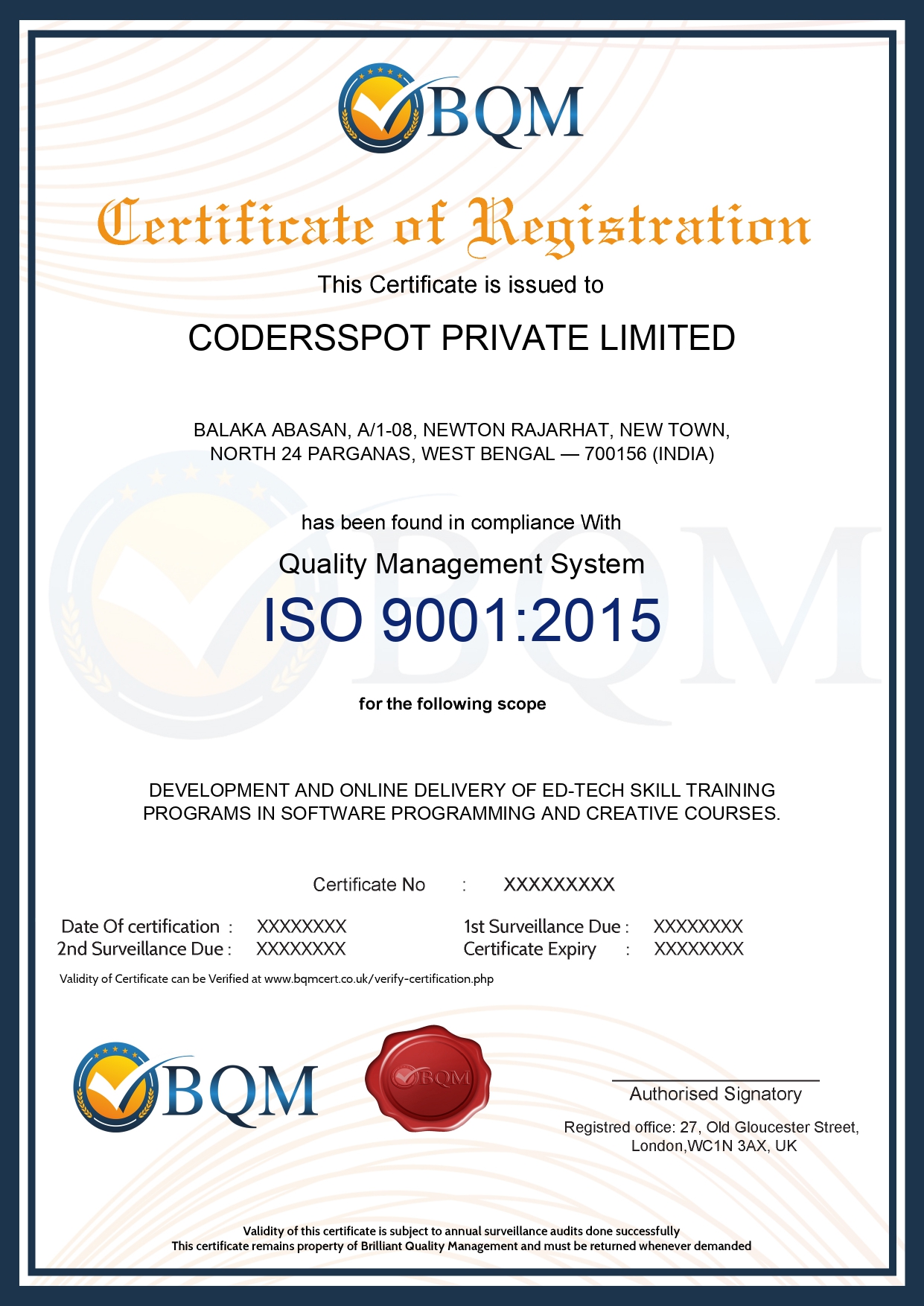
Income Tax Department — sample acknowledgement / certificate
Illustrative sample. Your official certificate is issued after approval.
An Income Tax Notice is a formal communication issued by the Income Tax Department under specific sections of the Income-tax Act, 1961. It requires a taxpayer to provide information, file a return, respond to discrepancies, pay outstanding demand, or appear for assessment proceedings. Notices are issued by the Assessing Officer (AO), CPC Bengaluru, or the Commissioner of Income Tax depending on the nature of the proceeding.
Receiving a notice does not necessarily mean you have done something wrong. Many are routine — such as Section 143(1) intimations for minor adjustments. However, timely and accurate response is critical regardless of type. Failure to respond within the prescribed time can result in ex-parte assessment orders, heavy penalties, interest and, in extreme cases, prosecution.
| Section | Notice Type | Purpose | Response Time |
|---|---|---|---|
| 143(1) | Intimation – Processing | Automated intimation after CPC processing showing adjustments, demand or refund | 30 days (for rectification if needed) |
| 143(2) | Scrutiny Assessment | Detailed examination of return by AO — books and documents verified | As specified (usually 15–30 days) |
| 148 / 148A | Reassessment – Escaped Income | Reopening of previously assessed case when income has escaped assessment | 30 days to file return (extendable) |
| 156 | Demand Notice | Specifies tax, interest or penalty payable as determined through assessment | 30 days from service date |
| 245 | Refund Adjustment | Proposes adjustment of current year refund against outstanding demand | As specified in the notice |
| 142(1) | Inquiry Before Assessment | Requires filing of return or furnishing of accounts, documents and information | As specified by AO |
| 131 | Summons | Compulsory attendance before the AO with documents (civil court powers) | As specified (mandatory appearance) |
| 271(1)(c) | Penalty – Concealment | Show-cause for penalty for concealment of income or inaccurate particulars | As specified (usually 15 days) |
Income or TDS declared in your ITR does not match Form 26AS or Annual Information Statement data. Even small discrepancies trigger automated notices from CPC.
Cash deposits above ₹10 lakh, property transactions above ₹30 lakh, mutual fund investments or credit card payments reported through Statement of Financial Transactions.
Taxable income, TDS deducted or significant financial transactions without filing the income tax return within the due date or belated deadline.
ITR filed with incomplete data, wrong form selection, missing schedules or internal inconsistencies. Must be rectified within 15 days.
Your return was selected for detailed examination through Computer Aided Scrutiny Selection based on risk parameters.
Unusual refund claims, property purchase/sale above thresholds, or large cash deposits that the Department wants to verify.
Use your PAN as user ID and password. Complete OTP verification if prompted.
This shows all pending notices, communications and tasks. Alternatively open e-Proceedings directly.
View all active assessment, inquiry or penalty proceedings. Each shows section, assessment year, AO and status.
Open the relevant proceeding, download the PDF, and read the requirement, deadline and AO’s specific questions carefully.
Check the Document Identification Number on the notice. Any notice without a valid DIN is void as per CBDT Circular No. 19/2019.
Check the section cited (143(1), 143(2), 148, 156, 142(1), 271, etc.). Each has different implications and response procedures.
Read the complete notice. Mark the response deadline (typically 15–30 days) and plan to respond well before it.
Collect ITR copies, Form 26AS/AIS, bank statements, investment proofs, property documents, books of account and any specific documents requested.
Draft a detailed submission addressing each point. Include section references, CBDT circulars and judicial precedents where relevant. Attach numbered annexures with an index.
Login → Pending Actions → e-Proceedings → Submit Response. Upload the written submission and documents in PDF. Download the acknowledgement.
For scrutiny and reassessment, the AO may schedule a personal or video hearing. Attend with originals or authorise a professional via Power of Attorney.
ITR copy with acknowledgement, Form 26AS/AIS, computation of income, TDS certificates and challan details for reconciliation.
ITR copies, 26AS/AIS, bank statements (all accounts), investment proofs, books of account, P&L, balance sheet, bills and vouchers.
Original and revised ITR, Form 26AS for relevant years, bank statements, explanation of transactions, source of funds and objections to reopening.
Assessment order, ITR copy, tax payment challans, Form 26AS. Rectification petition or appeal Form 35 and stay application if demand is disputed.
Specific documents requested in the notice — accounts, financial statements, contracts, agreements as specified by the AO.
Written explanation, original ITR, supporting computation, legal submissions, judicial precedents and CBDT circulars supporting bona fide position.
| Aspect | Section 143(1) – Intimation | Section 143(2) – Scrutiny |
|---|---|---|
| Nature | Automated, computer-generated | Manual assessment by AO |
| Human Intervention | No – CPC Bengaluru system | Yes – AO examines the case |
| Scope | Arithmetic errors, prima facie adjustments, TDS mismatch | Complete examination of books, documents and claims |
| Personal Appearance | Not required | May be required (physical or VC) |
| Books of Account | Not examined | Examined in detail |
| Outcome | Refund, demand or no change | Assessment order under 143(3) |
| Remedy if Disagree | Rectification under Section 154 | Appeal to CIT(A) under Section 246A |
| Severity | Low – routine | High – detailed investigation |
Reassessment provisions were overhauled by the Finance Act, 2021. The AO cannot simply issue a 148 notice — a mandatory preliminary inquiry under Section 148A must be conducted first.
AO must provide information suggesting escaped income and allow the taxpayer an opportunity to respond. An order under 148A(d) with prior approval is required before issuing 148.
Up to 3 years: approval of Principal Commissioner / Commissioner. Between 3 and 10 years: approval of Principal Chief Commissioner.
Standard window: 3 years from end of relevant assessment year. Extended to 10 years if escaped income is likely ₹50 lakh or more.
You can file detailed objections to the 148A notice, challenge the information relied upon and request that reassessment not be initiated.
| Level | Authority | Time Limit | Key Points |
|---|---|---|---|
| First Appeal | CIT (Appeals) | 30 days from order | Form 35 online. Can confirm, modify, enhance or annul. Pre-deposit of disputed demand may apply. |
| Second Appeal | ITAT | 60 days from CIT(A) order | Form 36. Final fact-finding authority. Orders binding on AO. |
| Third Appeal | High Court | 120 days from ITAT order | Section 260A – only substantial question of law. |
| Final Appeal | Supreme Court | 60 / 90 days | SLP or Section 261. Matters of national importance or conflicting HC decisions. |
143(1) vs 143(2) vs 148 vs demand — we identify the section and design the response strategy before drafting a single line.
Written responses with section references, CBDT circulars and judicial precedents, plus indexed annexures for a complete paper trail.
Portal submission under e-Proceedings and representation at personal or video hearings so you are not left alone before the AO.
If the assessment order is adverse, we support Form 35 filing before CIT(A) and further appellate stages where required.
Not necessarily. Many notices are routine (e.g. Section 143(1) intimations for minor adjustments or TDS mismatch). However, scrutiny (143(2)) and reassessment (148) notices require careful professional response.
Document Identification Number. Every valid notice must carry a DIN. Any notice, order or communication without a valid DIN is deemed non-est (void) as per CBDT Circular No. 19/2019. Always verify the DIN before responding.
143(1) is an automated CPC intimation for arithmetic/prima facie adjustments. 143(2) is a scrutiny notice where the Assessing Officer manually examines books and claims. 143(2) is far more serious and needs professional defence.
Typically 15–30 days from the date of service, as specified in the notice. Always respond before the deadline. Missing it can lead to ex-parte assessment and penalties.
Login to incometax.gov.in → Pending Actions → Worklist or e-Proceedings. All notices are served electronically. You also receive email and SMS alerts.
Under the new reassessment regime, the AO must first conduct an inquiry under Section 148A, share the information suggesting escaped income, and give you an opportunity to respond before issuing a Section 148 notice. You have a right to file detailed objections.
Yes. First appeal to CIT(A) within 30 days (Form 35). Then ITAT within 60 days, High Court on substantial question of law, and Supreme Court in appropriate cases.
Ex-parte assessment, demand recovery, penalties, interest, and in serious cases prosecution. Always respond within the prescribed time, even if only to seek an adjournment.
Comprehensive support: notice analysis, professionally drafted response, e-Proceedings submission, hearing representation and case tracking for 143(1), 143(2), 148, demand and penalty notices.
Get Free Consultation →