Update Name & Legal Identity
Add the word "Private" before "Limited" in the company name across all letterheads, official seals, invoices, domain names, and signboards.

Streamline operations and reduce heavy compliance burdens under Section 14 of the Companies Act, 2013 and Rule 41 of the Companies (Incorporation) Rules, 2014. Secure Regional Director (RD) approval seamlessly.
Connect with our senior Corporate Lawyers, CAs, and CSs for a comprehensive evaluation.
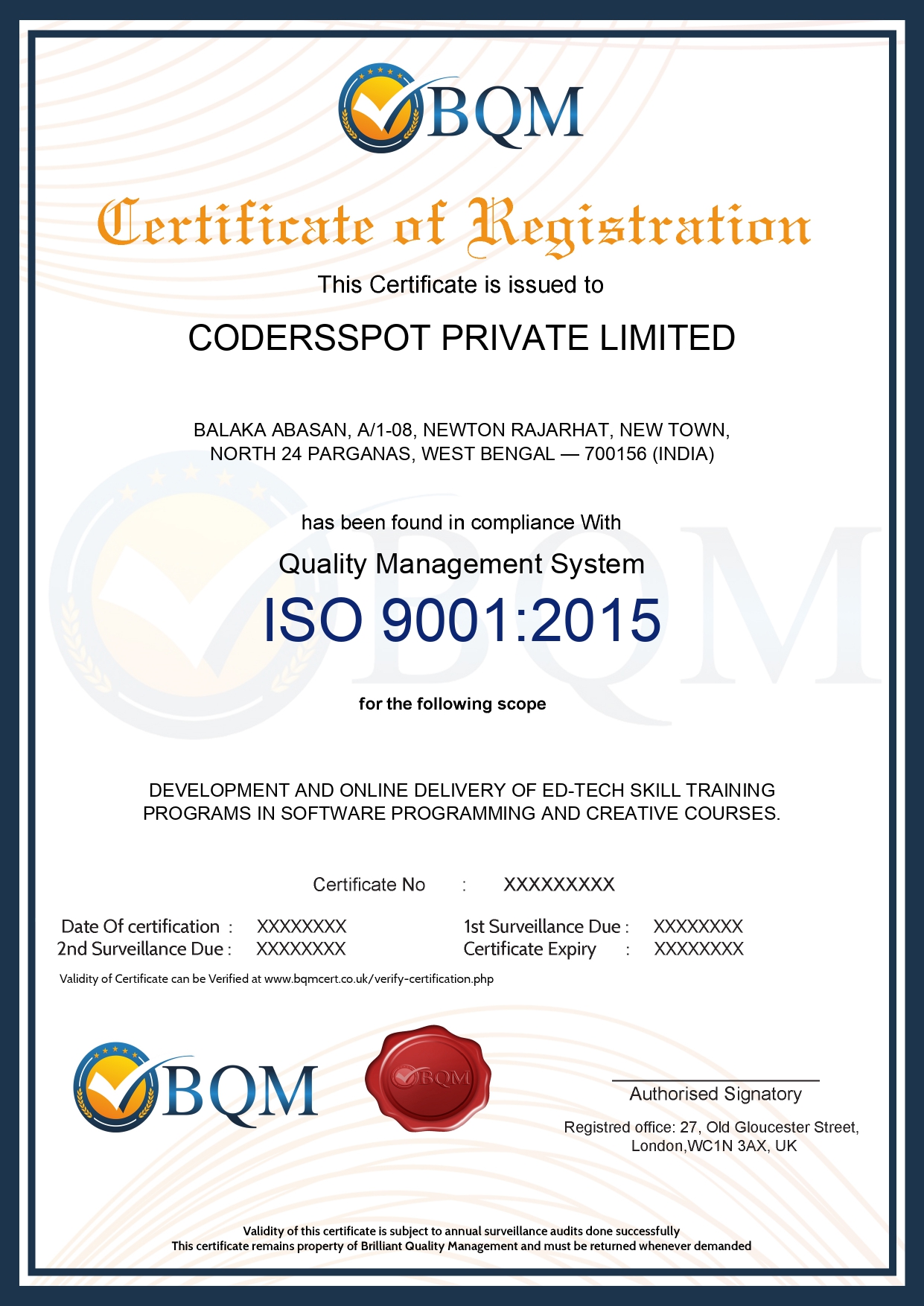
Ministry of Corporate Affairs (MCA) — sample conversion certificate
Illustrative sample. Your official certificate is issued after approval.
Converting a Public Limited Company into a Private Limited Company is a strategic restructuring process chosen by businesses seeking greater operational freedom, reduced compliance overheads, and heightened privacy. Public companies face stringent regulatory mandates under MCA and SEBI, including public financial disclosures, higher board meeting frequencies, and complex statutory reporting.
Under Section 14 of the Companies Act, 2013 read with Rule 41 of the Companies (Incorporation) Rules, 2014, a Public Limited Company can convert to a Private Limited entity by passing a Special Resolution and obtaining approval from the Regional Director (RD). The conversion restricts share transferability, limits members to 200, and prohibits public invitations for subscription, granting the company agility and cost savings.
| Criterion | Requirement | Statutory Provision / Remarks |
|---|---|---|
| Maximum Members | Under 200 Shareholders | The total number of members must be consolidated or reduced to 200 or fewer (excluding current and former employee-shareholders). |
| Unlisted Status | Unlisted / Delisted Entity | Listed public companies must complete the mandatory delisting process with stock exchanges (SEBI) prior to initiating conversion. |
| Shareholder Approval | Special Resolution (75% Majority) | Pass a Special Resolution at an EGM approving the alteration of Articles of Association (AOA) to insert restrictive private clauses. |
| No Ongoing Inquiries | Clean MCA Record | No active prosecution, inspection, or investigation pending against the company under the Companies Act. |
| Creditor Clearance | NOCs / Public Notice Verification | Company must serve individual notices to creditors and publish public notices to handle any objections. |
| Compliant Filings | Up-to-date Annual Filings | All pending financial statements (AOC-4) and annual returns (MGT-7) must be successfully filed with ROC prior to petitioning. |
Certified true copies of Board Resolutions and Special Resolutions passed in the Extra-Ordinary General Meeting (EGM) along with explanatory statements.
Updated Memorandum and Articles of Association containing mandatory private company restrictive clauses under Section 2(68).
Comprehensive list certified by two directors and statutory auditor, not older than 30 days prior to filing, detailing debts and addresses.
Copies of public notices published in Form INC-25A in one English newspaper and one regional vernacular newspaper.
Audited balance sheets and profit & loss accounts for the preceding three financial years along with auditor reports.
Affidavits from key management personnel confirming no employee retrenchment, no member cap violation, and compliance with statutory rules.
Convene a Board Meeting to approve the conversion proposal, adopt altered MOA and AOA draft, and fix the date, time, and agenda for the EGM.
Hold the EGM and pass the Special Resolution by a 75% majority. File e-Form MGT-14 with the ROC within 30 days of passing the resolution.
Publish a public notice in Form INC-25A in two newspapers (English and Vernacular) and dispatch individual notices to all creditors and debenture holders.
Submit a formal petition in e-Form RD-1 to the Regional Director within 60 days of passing the Special Resolution, attaching all required lists, affidavits, and publication proofs.
If no objections are received, the RD passes an order approving conversion without a hearing. If objections arise, an RD hearing is held to resolve them before issuing the approval order.
File e-Form INC-28 attaching the RD Approval Order with the ROC within 30 days. The ROC approves Form INC-27 and issues a fresh Certificate of Incorporation.
Add the word "Private" before "Limited" in the company name across all letterheads, official seals, invoices, domain names, and signboards.
Apply for an updated PAN and TAN card with the Income Tax Department reflecting the changed company name.
Submit the updated Certificate of Incorporation and altered MOA/AOA to bank branch managers, GST authorities, EPF/ESIC, and intellectual property registries.
Execute formal addendums or issue written notifications to key corporate clients, suppliers, landlords, and contract partners detailing the name transition.
Shield operational privacy, streamline corporate governance, and reduce recurring costs.
Exemptions from rigorous public disclosures, mandatory secretarial audits (unless thresholds met), and reduced board meeting mandates save significant capital.
Financial results and internal business operational strategy are no longer exposed to public scrutiny, protecting competitive advantage.
With shareholding consolidated and a lower board quorum, board decisions, funding approvals, and strategic pivots happen much faster.
Articles of Association restrict unwanted share transfers to external entities, keeping corporate control firmly within chosen promoter groups.
Our senior practicing CS team has vast experience directly petitioning Regional Director (RD) offices across India, ensuring minimal queries and zero rejections.
From creditor certification to newspaper notice drafting (INC-25A), we meticulously vet every document to prevent statutory delays.
We manage every stage—EGM notices, MGT-14, RD-1 petitioning, RD hearings, and final INC-28 filing—delivering a hassle-free experience.
No unexpected hidden costs. Clear, upfront estimation of professional retainership, MCA stamp duties, and newspaper publication fees.
The Regional Director (RD) exercising powers delegated by the Central Government is the approving authority under Section 14 of the Companies Act, 2013. The ROC records the conversion after the RD order is passed.
Yes. Under Rule 41 of the Companies (Incorporation) Rules, 2014, the company must publish a notice in Form INC-25A at least 21 days before filing the petition in one English newspaper and one vernacular newspaper in the state of the registered office.
If an objection is received within 21 days of advertisement, the Regional Director will hold a hearing. The company must resolve or secure the creditor's claim before the RD passes an approval order.
No. A listed public company must first complete the voluntary delisting process in compliance with SEBI (Delisting of Equity Shares) Regulations before initiating conversion to a private company.
Under Section 2(68) of the Companies Act, 2013, the maximum number of members in a private limited company is restricted to 200 (excluding current and former employees who hold shares).
The entire process typically takes 30 to 45 working days, depending on newspaper publication timelines, creditor objections, and Regional Director processing schedules.
Yes. The Registrar of Companies issues a fresh Certificate of Incorporation with an updated CIN reflecting the Private Limited status (the letter status changes from 'PLC' to 'PTC').
Reduce compliance burdens and transition into a Private Limited Company with Corporate Mart's expert CA, CS, and legal team.
Get Free Consultation →